












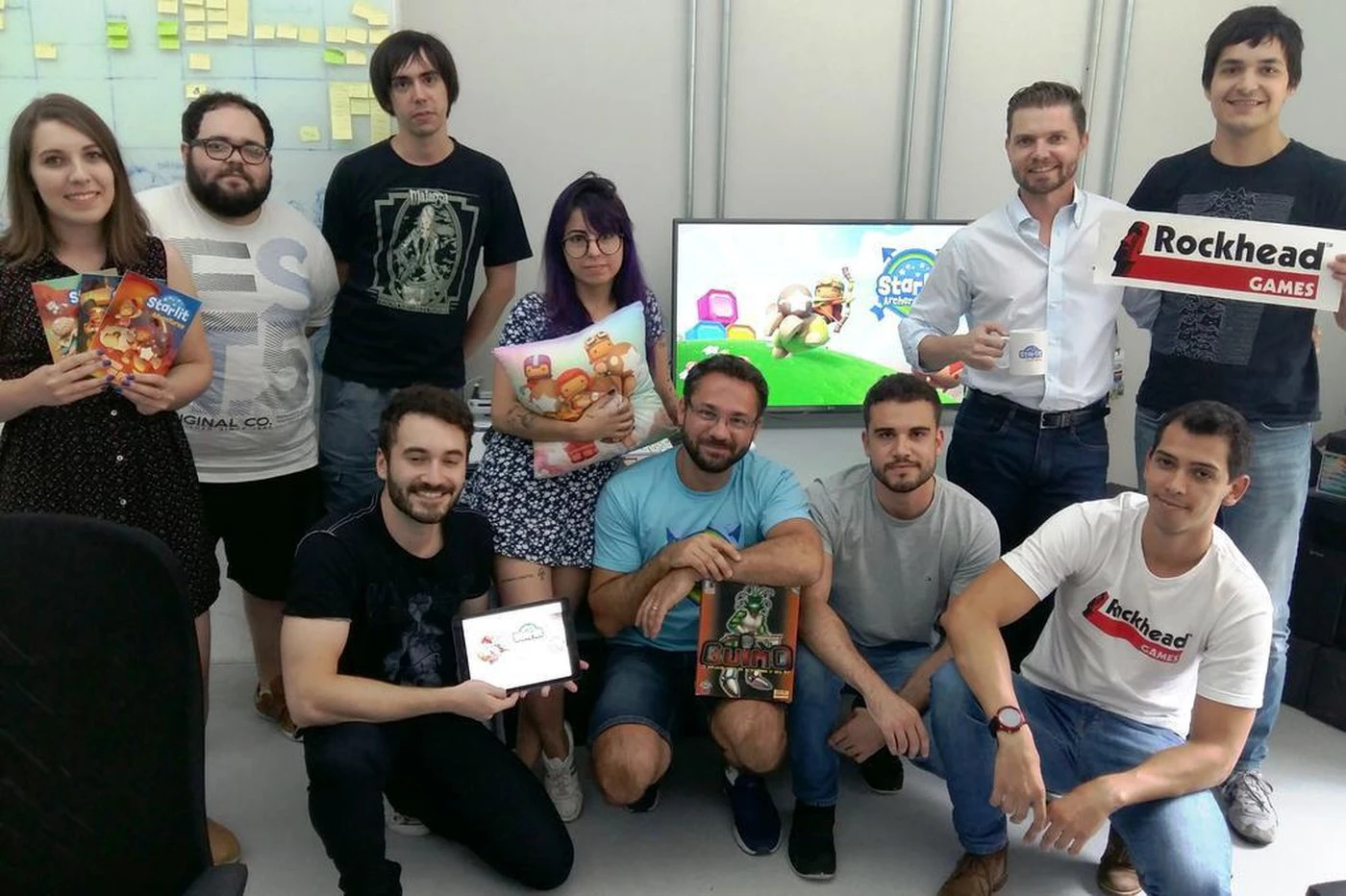
Rockhead Studios, based at Tecnopuc in Porto Alegre, Brazil, is already celebrating being named one of the 15 finalists in a major international competition.
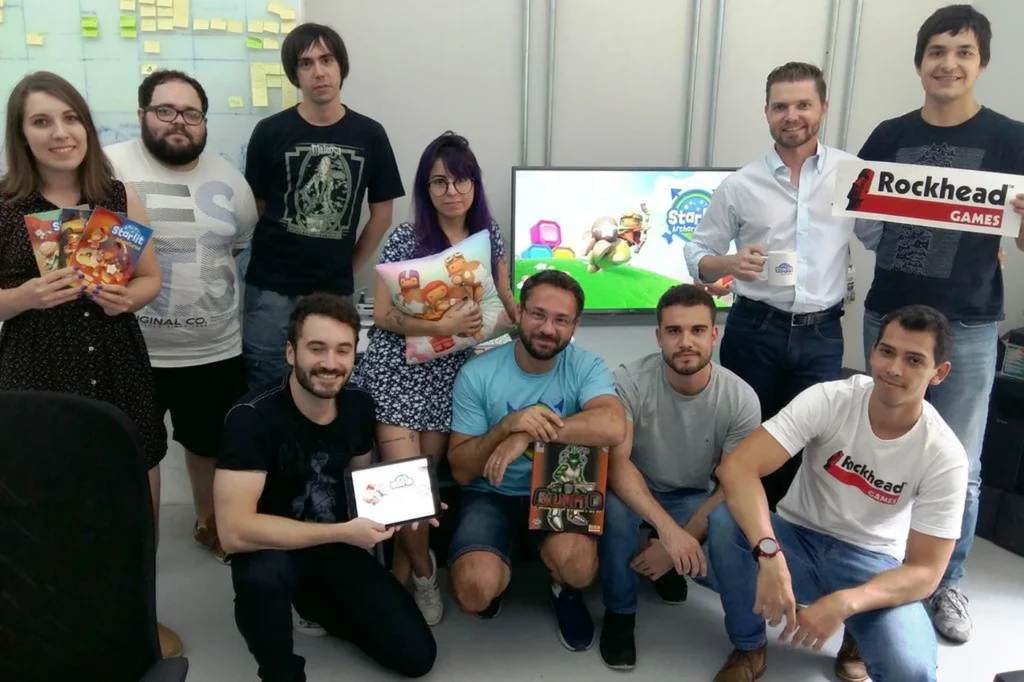
The games developed by Rockhead Games for mobile devices have long outgrown the screens they were built for. Born from the Starlit Adventures universe—a richly imagined world with its own characters and identity—the titles created by this small studio located at PUCRS’s Science and Technology Park have taken giant leaps in every direction.
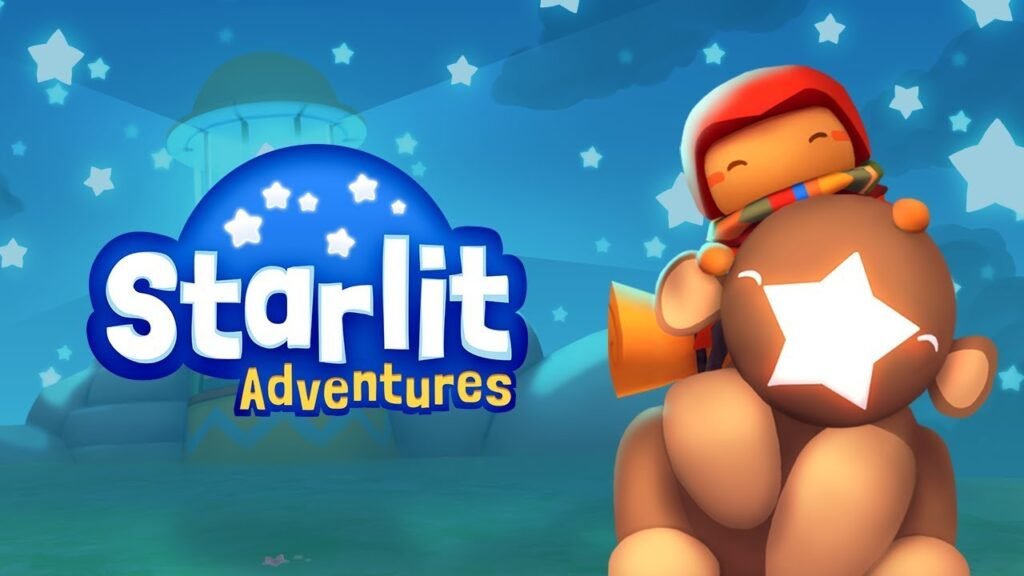
Geographically, Rockhead’s free-to-play games have reached across the globe—China now accounts for nearly half of its player base. The studio’s most recent mobile release, also titled Starlit Adventures, has already surpassed 10 million downloads. In terms of media presence, their games have expanded beyond mobile screens into comic books, Apple TV (a streaming platform for Apple devices), and will soon be available on PlayStation 4 (PS4).
But perhaps the best is still ahead. This Saturday, Archery Club—the studio’s newest game based on classic bow-and-arrow gameplay—could be named one of the top three indie games developed in Latin America in 2017. As one of 15 finalists in the Google Play Indie Games Festival Latin America, the app stands a real chance of gaining global visibility through official Google channels. Winners will be announced at the company’s headquarters in São Paulo.
“I already feel like a winner,” says Christian Lykawka, co-founder of Rockhead Studios, immediately supported by producer Rodrigo Scharnberg.
“Every day, 600 new games are added to the Google Play Store—over 219,000 a year. And we’re among the top 15,” says Scharnberg proudly, moments before pausing the interview to read a confirmation email from Sony finalizing the release of Starlit Adventures on PS4, one of the top gaming consoles alongside Microsoft’s Xbox One.
Guaranteed Exposure on Google Channels
Even if Archery Club doesn’t make the top three, Rockhead has plenty to celebrate. Being a finalist has already earned the game featured placement on Google Play Stores across the Americas, Europe, and the Middle East for one month, promotion via Android Developer and Google Play Developer channels, and even a Chromecast device as a prize.
SShould it be selected as one of the three winning titles, Archery Club will also receive premium visibility on Google’s gamer and developer channels, as well as an Android TV—a smart, connected television experience that goes beyond traditional Smart TVs.
Launched in November, the Google Play Indie Games Festival Latin America includes four Brazilian finalists: Archery Club, Mini Ini Mo, Shake Ninja, and Westy West. They compete alongside games from Argentina, Mexico, Paraguay, Chile, Uruguay, Colombia, and Guatemala.
Character Design as a Long-Term Strategy
As a child, Rockhead co-founder Christian Lykawka would watch his father and uncle play long matches of tennis on the Philco Telejogo, one of the first video game consoles, released in 1977. Though its graphics were primitive, the experience sparked his imagination.
At age 12, after receiving his first personal computer, Lykawka created his first game—similar to the tennis games he watched growing up. In 1996, before graduating with a degree in Computer Science from PUCRS, he developed Guimo, one of the first Brazilian PC games, distributed on CD-ROM for Windows 95.
Unlike most Asian free-to-play studios, Rockhead’s games don’t rely on ads, making monetization and financial sustainability more challenging. While most features are free, players can purchase special powers to help them progress or defeat opponents—especially in online multiplayer modes.
According to Lykawka, only 2–3% of players make in-game purchases. As a result, Rockhead boosts revenue by licensing its IP to other media, such as comics, animated series, and console adaptations. But the heart of this strategy lies in strong character design.
“We’re very focused on making each game as universal as possible,” says Lykawka.
“The stories, jokes, and moments need to be understood anywhere in the world—and that’s a big challenge.”
“One thing we never compromise on is non-violence. Every title is designed to be safe and appropriate for kids.”
Growing Team and Global Talent
With 12 in-house team members and around 40 remote collaborators (including writers, voice actors, and support professionals), Rockhead continues to expand.
“We recently opened a call for 40 3D artists and received applications from Chile, Argentina, and even the United States,” says producer Rodrigo Scharnberg.
The team’s ability to build a universal, family-friendly game world—led by colorful heroes Bo and Kikki—has become the foundation for a franchise that bridges media, platforms, and cultures.